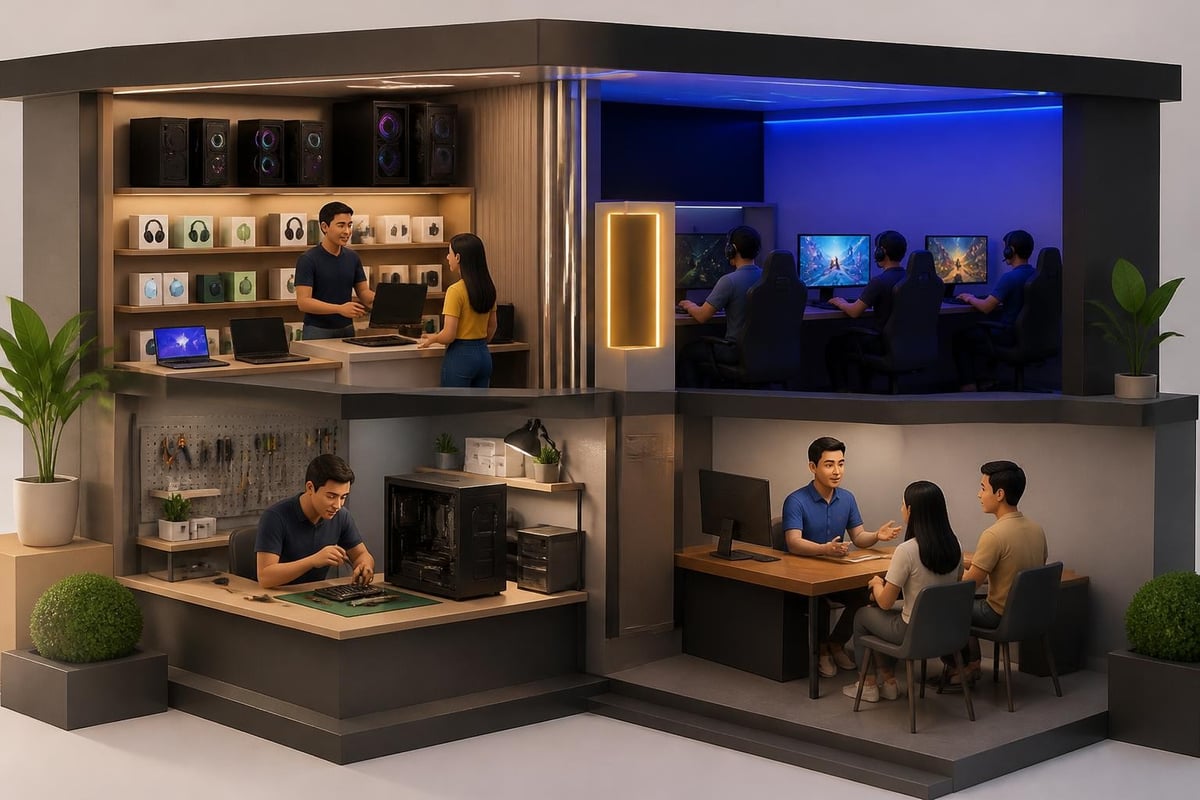
Philippine computer shops have evolved from simple retail outlets into multifaceted technology hubs that serve diverse customer needs across the archipelago. These establishments bridge the digital divide by providing accessible hardware, software, internet connectivity, and technical support to millions of Filipinos. Whether operating as traditional retail stores, internet cafés, or comprehensive IT service centers, these businesses play a crucial role in democratizing technology access throughout the nation. Understanding the landscape, operational requirements, and growth opportunities in this sector is essential for entrepreneurs and business owners looking to establish or expand their presence in the Philippine technology market.
The landscape of Philippine computer shops has transformed dramatically over the past two decades. Early establishments focused primarily on selling desktop computers and basic peripherals to individual consumers and small businesses. Today, these shops have diversified into hybrid models that combine retail sales, repair services, internet café operations, and professional IT consultancy.
This evolution reflects broader trends in technology consumption and Filipinos’ increasing exposure to information and communication technology. Market demands have shifted from one-time hardware purchases to ongoing service relationships, maintenance contracts, and technology upgrade cycles. Computer shops that successfully adapted now offer comprehensive solutions including system building, network installation, software licensing, and cloud service integration.
Philippine computer shops typically operate within one or more of these distinct segments:
The most successful operations integrate multiple segments to maximize revenue streams and customer touchpoints. A single establishment might sell computers during morning hours, serve students as an internet café in the afternoon, and provide corporate IT support through scheduled service calls.
Establishing a legitimate computer shop in the Philippines requires navigating multiple regulatory frameworks and compliance requirements. The foundational step involves business name registration with the Department of Trade and Industry, following specific documentation and procedures outlined in DTI guidelines. Beyond basic registration, operators must secure appropriate permits from local government units, obtain tax identification numbers, and register with the Bureau of Internal Revenue.
For shops offering internet access services, compliance with Republic Act No. 11930 is non-negotiable. This legislation, also known as the Anti-Online Sexual Abuse or Exploitation of Children Act, imposes specific obligations on internet café and computer shop operators regarding monitoring, reporting, and record-keeping to prevent illegal online activities.
| Requirement Category | Key Components | Regulatory Body |
|---|---|---|
| Business Registration | DTI business name, Mayor's permit, Barangay clearance | DTI, LGU |
| Tax Compliance | TIN registration, BIR registration, Sales receipts | BIR |
| Internet Café Specific | Customer logs, Monitoring systems, Age verification | NBI, PNP, LGU |
| Fire Safety | Fire extinguishers, Exit signage, Electrical inspection | Bureau of Fire Protection |
Shop owners must implement proper customer identification systems, maintain detailed usage logs, and establish clear protocols for reporting suspicious activities. These requirements add operational overhead but protect businesses from potential legal liabilities while contributing to child safety initiatives.
Location selection significantly impacts the success trajectory of Philippine computer shops. High-traffic areas near educational institutions consistently generate steady customer flow from students requiring internet access, printing services, and school project assistance. Commercial districts and business parks attract corporate clients seeking hardware purchases, repairs, and IT support contracts.
Urban versus provincial considerations differ substantially in terms of rent costs, competition intensity, and customer expectations. Metropolitan Manila locations command premium rents but offer access to larger customer bases with higher purchasing power. Provincial areas present opportunities for market leadership with less competition, though customer volume and average transaction values may be lower.
Effective space utilization balances multiple functional zones within budget constraints:
Electrical infrastructure requires careful planning to support multiple high-power systems simultaneously. Dedicated circuits, surge protection, and backup power through uninterruptible power supplies (UPS) or generators prevent revenue loss during the frequent power fluctuations common across Philippine provinces.
Successful Philippine computer shops maintain strategic relationships with multiple hardware suppliers and distributors. Major technology brands typically work through authorized distributors who provide competitive pricing, warranty support, and technical training. Building strong supplier connections ensures access to popular products during high-demand periods and favorable payment terms that preserve working capital.
Smart inventory allocation focuses resources on fast-moving items while minimizing capital tied up in slow-selling components:
Many shops now diversify beyond traditional PC hardware to include smartphones, tablets, networking equipment, and smart home devices. This expansion requires technical knowledge across multiple platforms but creates opportunities to serve customers' complete technology ecosystems. For businesses seeking enterprise-grade solutions, partnering with established providers like those offering professional server solutions can enhance credibility and service capabilities.
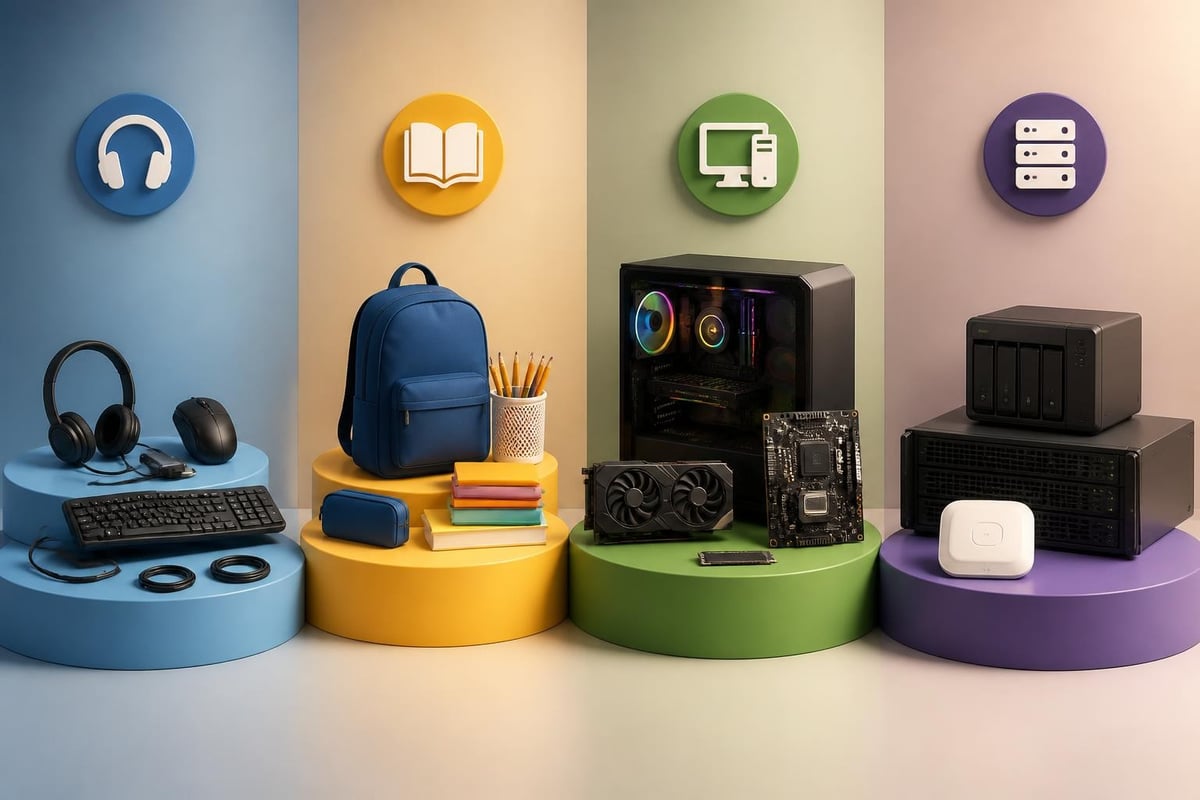
While hardware sales generate immediate revenue, service offerings build recurring income streams and customer loyalty. Philippine computer shops that transition from transactional relationships to service partnerships achieve higher customer lifetime values and more predictable cash flows.
Comprehensive service menus address diverse customer needs:
Service pricing strategies balance profitability with market competitiveness. Many shops implement tiered pricing based on service complexity and urgency, charging premium rates for same-day repairs while offering discounted rates for scheduled maintenance contracts. Transparent pricing displays build customer trust and reduce negotiation friction.
For shops serving business clients, offering comprehensive IT support packages creates stable monthly revenue. These contracts might include regular maintenance visits, priority response times, and discounted rates on parts and upgrades. Integrating modern solutions like advanced network security appliances positions shops as serious IT partners rather than simple retailers.
The internet café component of Philippine computer shops requires distinct operational considerations from retail activities. Successful cafés balance customer experience, equipment longevity, and revenue maximization through strategic system configuration and pricing models.
Internet café systems demand different specifications than retail display units:
| Component | Retail Display | Internet Café |
|---|---|---|
| Processor | Latest generation for demonstration | Mid-range with reliable performance |
| Storage | SSD for speed showcase | SSD for boot, HDD for games |
| Graphics | High-end when applicable | Varies by station (casual vs. gaming) |
| Cooling | Standard | Enhanced for extended operation |
| Software | Fresh, clean installation | Deep freeze or restoration software |
Deep freeze technology or similar restoration software ensures systems return to clean states after each session, preventing malware accumulation and configuration changes that degrade performance. Regular maintenance schedules including component cleaning, thermal paste replacement, and driver updates maximize equipment lifespan and customer satisfaction.
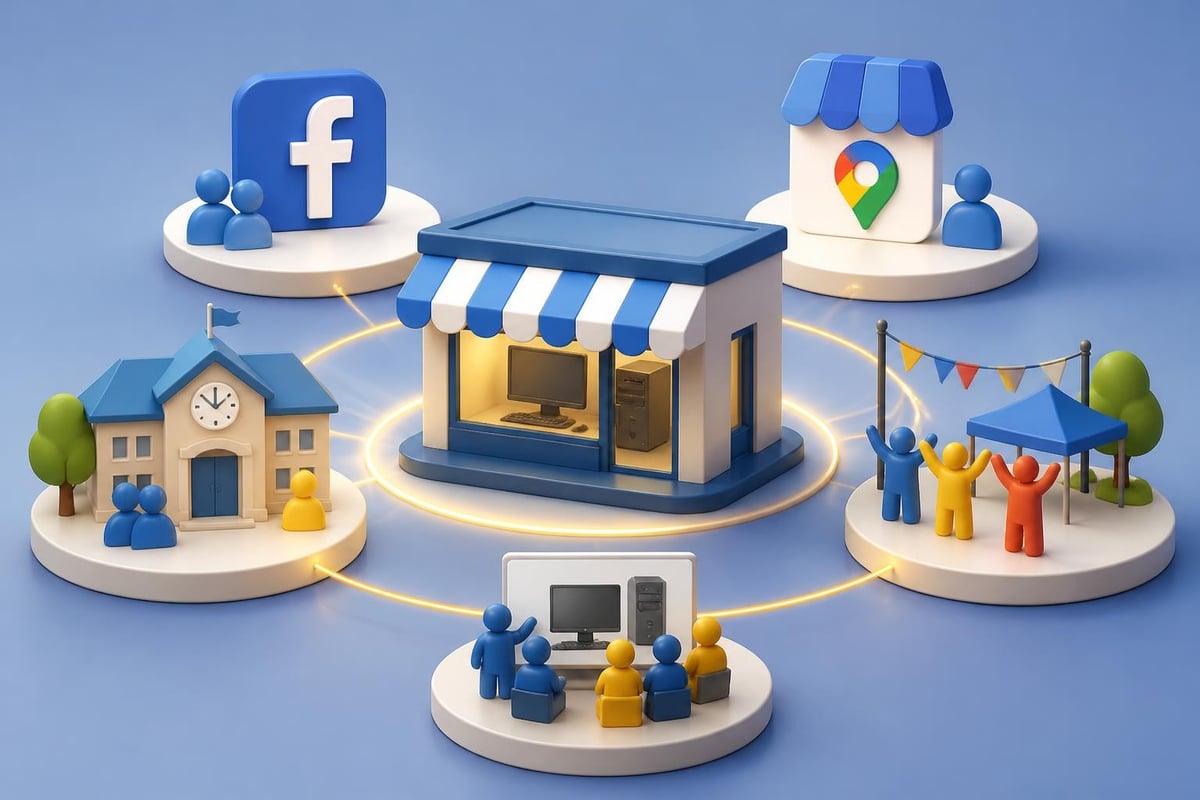
Philippine computer shops compete in crowded markets where differentiation determines survival. Effective marketing combines digital presence with community engagement to build brand recognition and customer trust.
Every computer shop needs foundational digital assets:
Content marketing through technical tips, troubleshooting guides, and product comparisons positions shops as knowledgeable resources beyond simple retailers. Video content demonstrating system builds, upgrade installations, or software tutorials builds credibility while attracting potential customers searching for solutions.
Physical presence in local communities drives foot traffic and referrals:
These activities create positive associations that translate into customer preference when technology needs arise. Word-of-mouth recommendations from satisfied customers remain the most powerful marketing channel for Philippine computer shops.
Sustainable computer shop operations require disciplined financial management and strategic reinvestment. Many shops fail not from lack of customers but from poor cash flow management, excessive inventory, or inadequate pricing strategies that erode profitability.
Competitive pricing requires understanding multiple cost layers:
Successful shops monitor competitor pricing while maintaining minimum margins that ensure sustainability. Loss-leader strategies on popular items drive traffic but must be balanced with profitable complementary sales. Service labor rates should reflect technician expertise and local market conditions while remaining accessible to target customers.
Strategic reinvestment accelerates growth and competitive positioning:
For shops ready to scale beyond single locations, franchise models or multi-branch expansion require formalized systems, standardized procedures, and stronger financial controls. Consider how modern technology infrastructure like enterprise-grade wireless access points can enhance customer experience across multiple locations.
The technology retail landscape continues evolving with shifting consumer preferences, emerging hardware categories, and changing consumption patterns. Philippine computer shops must anticipate and adapt to these trends to maintain relevance.
Several trends create new revenue opportunities for adaptive shops:
Shops that identify and serve these emerging niches early gain competitive advantages before markets become saturated. For instance, offering professional audio solutions for remote workers positions shops as specialists in the growing work-from-home sector.
Several forces challenge traditional computer shop business models:
| Threat | Impact | Mitigation Strategy |
|---|---|---|
| Online retailers | Price competition | Emphasize service, immediate availability, local support |
| Brand direct sales | Margin compression | Add value through customization and integration services |
| Smartphone adoption | Reduced PC demand | Expand into mobile accessories and services |
| Cloud computing | Less hardware needed | Offer cloud migration and management services |
The shops that thrive treat these challenges as opportunities to evolve service offerings rather than signals to exit the market. Transitioning from pure hardware retail to comprehensive technology partnerships insulates businesses from commodity pricing pressures.
While individual consumers provide consistent foot traffic, corporate clients offer larger transaction values and recurring revenue potential. Philippine computer shops that successfully penetrate business-to-business markets diversify risk and stabilize cash flows.
Attracting business clients requires demonstrating capabilities beyond consumer-grade support:
Developing these capabilities often requires investment in specialized tools, transportation, and additional technical staff. However, a single corporate client can generate revenue equivalent to dozens of individual consumers while requiring fewer marketing resources to maintain.
Partnerships with established IT solutions providers enable smaller shops to offer enterprise-grade products and services beyond their individual capacity. Exploring options like computer leasing and rent-to-own services allows shops to present flexible acquisition models that appeal to cost-conscious businesses.
The quality of technical staff directly impacts customer satisfaction, service revenue potential, and business reputation. Philippine computer shops compete for qualified technicians in a market where skilled IT professionals have numerous employment options.
Structured staff development enhances service quality and employee retention:
Investing in staff development reduces turnover costs while improving service capabilities that justify premium pricing. Customers willingly pay more when confident in technician expertise and professionalism.
Retail and service work can be demanding, particularly during peak periods or when handling difficult customer situations. Shops that create supportive, respectful work environments attract and retain superior talent:
Staff who feel valued deliver better customer experiences, contributing directly to business success and reputation in competitive markets.
Modern computer shops rely on their own technology infrastructure to manage inventory, process transactions, track customers, and analyze business performance. Implementing appropriate systems improves operational efficiency and decision-making quality.
Successful shops implement integrated systems covering core functions:
Cloud-based solutions offer advantages for Philippine computer shops including automatic updates, remote access, and reduced local IT infrastructure requirements. However, internet connectivity reliability must be considered, with offline capabilities essential for maintaining operations during service disruptions.
For shops expanding into professional IT services, demonstrating internal technology sophistication reassures potential enterprise clients of competence. Using quality connectivity solutions throughout your own operations shows commitment to reliable technology.
Philippine computer shops remain vital technology access points that serve diverse communities while offering viable business opportunities for entrepreneurs who combine technical expertise with customer focus. Success requires balancing hardware retail, service excellence, regulatory compliance, and continuous adaptation to market evolution. Whether you're launching a new shop or expanding existing operations, REDCHIP IT SOLUTIONS INC. provides comprehensive IT support, equipment leasing options, and professional consultancy to help your business minimize downtime, enhance productivity, and scale effectively in the competitive Philippine technology market.