Expert computers represent a transformative approach to business computing, combining artificial intelligence with structured knowledge to solve complex problems that traditionally required human expertise. These systems capture the decision-making capabilities of domain experts and apply them consistently across operations, from IT troubleshooting to resource allocation. For businesses in the Philippines seeking to optimize operations and reduce downtime, understanding how expert computers work and where they deliver value has become essential for competitive advantage in 2026.
Understanding Expert Computer Systems
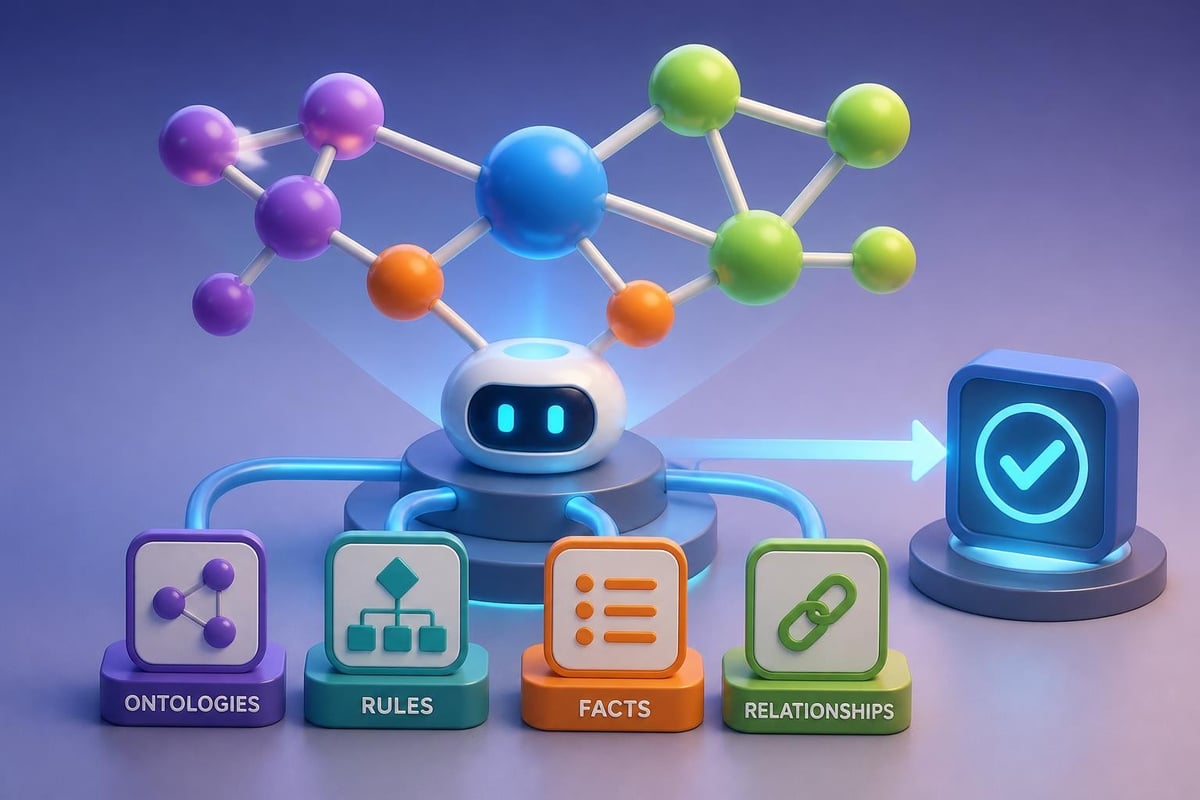
Expert computers operate on a fundamentally different principle than traditional software applications. Rather than following rigid procedural instructions, these systems encode knowledge in the form of rules, facts, and relationships that mirror how human experts think through problems.
The architecture of expert computers typically consists of three core components: a knowledge base containing domain expertise, an inference engine that applies logical reasoning, and a user interface that facilitates interaction. This structure allows the system to examine situations, weigh evidence, and recommend actions much like a human consultant would.
Key characteristics that define expert computers include:
- Separation of knowledge from processing logic
- Ability to explain reasoning paths and conclusions
- Graceful handling of incomplete or uncertain information
- Continuous learning and knowledge base refinement
- Domain-specific focus rather than general-purpose problem solving
The historical development of expert systems stretches back to the 1960s with pioneering projects like DENDRAL for molecular structure analysis and MYCIN for medical diagnosis. These early systems demonstrated that computers could achieve expert-level performance in narrow domains when equipped with the right knowledge structures.
The Knowledge Representation Challenge
Representing expert knowledge in computational form remains one of the most demanding aspects of building expert computers. Knowledge engineers must work closely with domain experts to extract, formalize, and encode expertise that experts themselves may struggle to articulate explicitly.
Modern approaches leverage ontologies and semantic web technologies to structure knowledge more effectively. The W3C Web Ontology Language (OWL) provides standardized frameworks for defining concepts, relationships, and constraints that expert computers can process. This structured approach ensures knowledge remains consistent, maintainable, and reusable across different applications.
Expert Computers in IT Operations
For IT solutions providers, expert computers deliver immediate practical value in managing complex technology environments. These systems excel at tasks requiring rapid diagnosis, consistent policy enforcement, and proactive problem prevention.
Automated Troubleshooting and Support
Expert computers transform IT support by encoding troubleshooting knowledge from senior technicians into accessible diagnostic systems. When users report issues, the expert system guides them through systematic investigation, asking targeted questions and narrowing possibilities based on responses.
| Capability | Traditional Support | Expert Computer Support |
|---|---|---|
| Response time | Minutes to hours | Seconds |
| Consistency | Varies by technician | Always follows best practices |
| Availability | Business hours | 24/7/365 |
| Knowledge retention | Lost when staff leave | Permanently captured |
| Scalability | Linear with headcount | Serves unlimited concurrent users |
The inference engine examines symptoms against known patterns, considers environmental factors like recent changes or updates, and systematically rules out unlikely causes. This approach reduces mean time to resolution while freeing senior staff to focus on complex, non-routine challenges.
Network and Security Management
Expert computers monitoring network infrastructure can detect anomalies, diagnose performance bottlenecks, and recommend optimizations in real-time. By encoding best practices from network architects and security specialists, these systems maintain vigilance that would be impossible through manual monitoring alone.
For businesses deploying advanced networking equipment like Wi-Fi 7 mesh access points, expert systems can automatically optimize channel selection, power levels, and roaming parameters based on environmental factors and usage patterns. Similarly, when managing enterprise firewall solutions, expert computers continuously evaluate security policies against emerging threats and recommend rule adjustments.
Building Effective Expert Computer Solutions
Developing expert computers requires methodical planning and iterative refinement. Organizations must balance technical sophistication with practical deployment constraints to create systems that deliver measurable business value.
Knowledge Acquisition Process
The knowledge acquisition phase determines whether an expert computer project succeeds or fails. This process involves identifying appropriate domain experts, extracting their decision-making processes, and validating the captured knowledge against real-world scenarios.
Successful knowledge acquisition follows these steps:
- Scope definition – Clearly delineate which problems the expert computer will address
- Expert identification – Select domain experts with proven track records and communication skills
- Knowledge elicitation – Conduct structured interviews, observe problem-solving sessions, and analyze historical cases
- Formalization – Convert narrative expertise into rules, decision trees, or probabilistic models
- Validation – Test encoded knowledge against diverse scenarios and edge cases
- Refinement – Iterate based on feedback and performance metrics
Organizations should expect this process to take months rather than weeks for complex domains. Rushing knowledge acquisition inevitably produces brittle systems that fail when confronted with situations outside their training scenarios.
Rule Engine Implementation
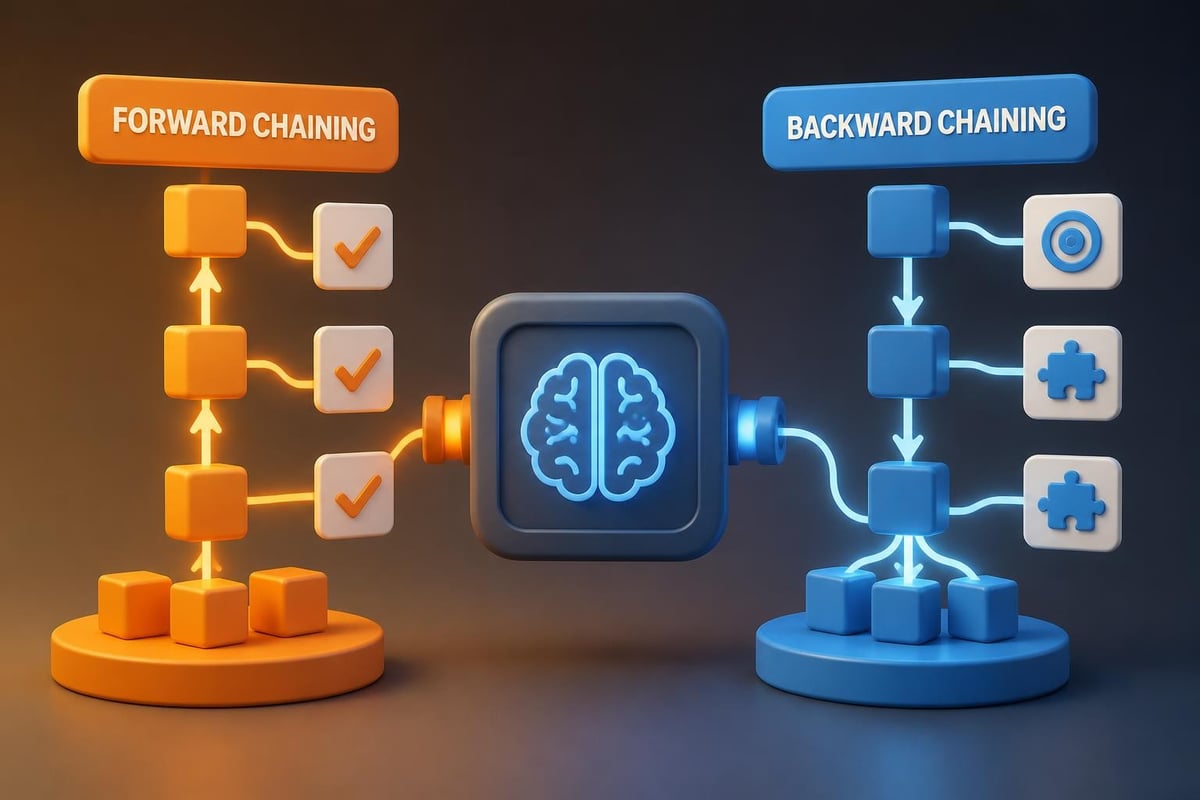
The inference engine forms the computational heart of expert computers, applying logical reasoning to knowledge bases to derive conclusions. Production rule engines like Drools provide mature platforms for implementing forward-chaining and backward-chaining inference algorithms.
Forward-chaining engines start with known facts and apply rules to derive new conclusions, making them ideal for monitoring systems that detect conditions and trigger actions. Backward-chaining systems work from desired goals backward to determine what conditions must be satisfied, which suits diagnostic applications where the system seeks to identify root causes.
Modern Expert Computer Technologies
Expert computers in 2026 leverage advances in artificial intelligence, machine learning, and natural language processing to overcome limitations of earlier rule-based systems. These hybrid approaches combine symbolic reasoning with statistical learning for more robust and adaptable solutions.
Integration with Large Language Models
Recent research on bridging large language models with symbolic reasoning enables expert computers to process natural language inputs while maintaining the explainability and consistency of rule-based systems. This neurosymbolic architecture allows users to interact conversationally while the system translates queries into formal logical operations.
For IT support applications, this means users can describe problems in their own words rather than navigating rigid decision trees. The language model extracts relevant facts and maps them to the knowledge base, while the expert system's inference engine ensures conclusions follow established rules and constraints.
Question-Answering Systems
Healthcare and technical support domains increasingly deploy expert computers as question-answering systems for practitioners. These systems provide point-of-need guidance by retrieving relevant knowledge and presenting it contextually rather than requiring users to search through documentation manually.
For businesses managing diverse IT infrastructures that include server environments, Apple ecosystems, and specialized hardware configurations, question-answering expert computers ensure staff can quickly access configuration guidance, compatibility information, and troubleshooting procedures without interrupting senior engineers.
Domain-Specific Applications
Expert computers achieve their greatest impact when tailored to specific business domains where knowledge is well-structured and decision criteria are relatively stable. Several sectors demonstrate particularly strong returns on expert system investments.
Environmental Monitoring and Compliance
Organizations with environmental reporting requirements benefit from expert systems that monitor conditions and ensure regulatory compliance. These systems track multiple parameters simultaneously, identify deviation patterns, and recommend corrective actions before violations occur.
The same principles apply to IT compliance monitoring, where expert computers verify that systems meet security baselines, license requirements remain current, and backup procedures execute successfully. By codifying compliance knowledge, organizations reduce audit preparation time and demonstrate due diligence systematically.
Resource Allocation and Capacity Planning
Expert computers excel at resource allocation decisions that balance multiple competing constraints. For IT service providers offering computer leasing and rent-to-own programs, expert systems can evaluate customer requirements, recommend appropriate hardware configurations, and optimize inventory allocation across multiple service tiers.
| Decision Factor | Expert Computer Analysis |
|---|---|
| Workload requirements | Matches CPU, memory, storage to application profiles |
| Budget constraints | Identifies optimal performance per dollar configurations |
| Growth trajectory | Recommends scalable solutions that accommodate expansion |
| Compatibility needs | Ensures new equipment integrates with existing infrastructure |
| Lifecycle costs | Calculates total cost of ownership including maintenance and energy |
These systems continuously learn from deployment outcomes, refining recommendations based on which configurations deliver the best customer satisfaction and lowest support overhead.
Trustworthiness and Governance Considerations
As expert computers assume greater responsibility for business-critical decisions, organizations must address trustworthiness, transparency, and accountability. The NIST AI Risk Management Framework provides structured guidance for building expert systems that stakeholders can trust and auditors can validate.
Explainability Requirements
Unlike black-box machine learning models, expert computers can trace their reasoning processes and justify conclusions in terms humans understand. This explainability proves essential for regulated industries and high-stakes decisions where accountability matters.
Modern expert computer interfaces display reasoning chains, highlighting which rules fired, what facts were considered, and why alternative conclusions were rejected. This transparency enables users to verify logic, identify knowledge gaps, and maintain appropriate skepticism when recommendations seem counterintuitive.
Continuous Validation and Updates
Expert computers require ongoing maintenance to remain accurate as business environments evolve. Professional engineering perspectives from IEEE emphasize systematic validation processes that test expert systems against new scenarios and update knowledge bases when business rules change.
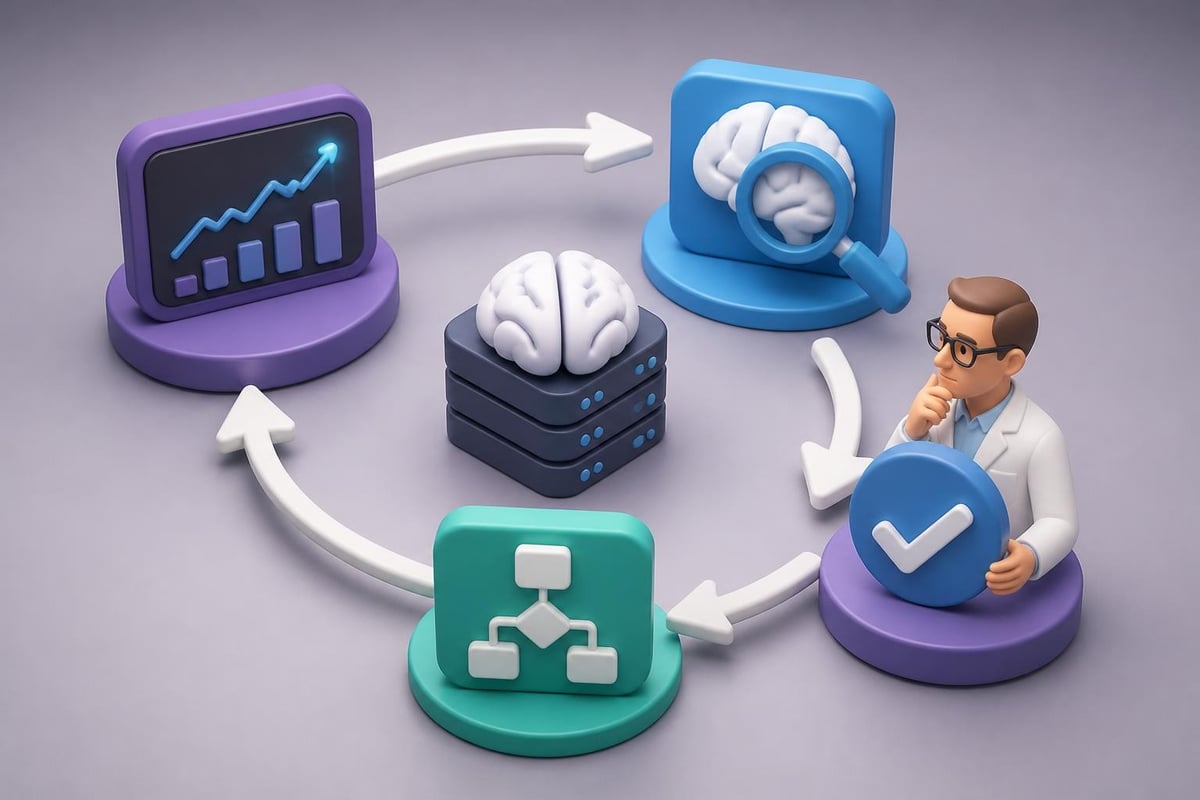
Organizations should establish regular review cycles where domain experts audit system performance, investigate edge cases where recommendations proved suboptimal, and incorporate new knowledge gained from experience. This iterative refinement prevents expert computers from becoming outdated as industries and technologies advance.
Integration with Business IT Infrastructure
Deploying expert computers effectively requires thoughtful integration with existing systems, workflows, and organizational culture. Technical excellence alone cannot ensure success if users resist adoption or systems create workflow friction.
API and System Integration
Modern expert computers expose RESTful APIs that allow seamless integration with ticketing systems, monitoring platforms, and business applications. This connectivity enables expert systems to receive real-time data feeds, trigger automated responses, and update external systems based on inferences.
For example, an expert computer monitoring IT infrastructure might integrate with inventory management to automatically initiate hardware procurement when capacity thresholds are projected to be exceeded. The same system could update service tickets with diagnostic recommendations, reducing the time support staff spend on initial investigation.
User Experience Design
The most sophisticated expert computer delivers little value if users find it confusing or cumbersome. Interface design should prioritize clarity, progressive disclosure of complexity, and natural interaction patterns that match how users already work.
For remote work environments where staff rely on tools like wireless headsets for hybrid collaboration, expert systems should be accessible through multiple channels including web interfaces, mobile apps, and conversational interfaces that integrate with communication platforms teams already use daily.
Performance Measurement and ROI
Quantifying expert computer value requires establishing clear metrics before deployment and tracking them consistently throughout the system lifecycle. Organizations should measure both operational efficiency gains and knowledge management benefits.
Operational Metrics
Key performance indicators for expert computers include:
- Mean time to resolution – How quickly issues are diagnosed and resolved
- First-contact resolution rate – Percentage of problems solved without escalation
- System uptime – Overall availability improvements from proactive intervention
- Resource utilization – Efficiency gains in compute, storage, and network capacity
- Cost per incident – Total support costs divided by number of issues handled
Comparing these metrics before and after expert computer deployment quantifies operational impact. Most organizations observe 30-60% reductions in mean time to resolution for categories where expert systems have comprehensive knowledge coverage.
Knowledge Management Benefits
Beyond immediate operational improvements, expert computers preserve institutional knowledge that would otherwise be lost when experienced staff retire or change roles. This knowledge retention represents substantial value that traditional ROI calculations often overlook.
Organizations can estimate this value by calculating replacement costs for senior expertise, considering both direct compensation and the opportunity cost of time spent bringing new hires up to speed. Expert computers amortize this knowledge investment across unlimited future uses rather than losing it with employee turnover.
Selecting Hardware for Expert Computer Workloads
While expert computers are less computationally demanding than many AI applications, hardware choices still impact performance and scalability. Organizations must balance processing requirements, memory constraints, and expansion needs when specifying infrastructure.
Compute and Memory Considerations
Rule-based inference engines typically require substantial memory for loading knowledge bases and maintaining working sets of facts during reasoning. Systems managing thousands of rules and complex interdependencies benefit from configurations with generous RAM allocations.
Processing requirements vary based on inference strategy. Forward-chaining systems evaluating conditions continuously need steady compute capacity, while backward-chaining diagnostic systems experience burst demand when users initiate inquiries. Exploring available server configurations helps organizations match hardware profiles to anticipated workload patterns.
Scalability and Redundancy
Production expert computer deployments require redundancy to ensure availability. Organizations should plan for load-balanced configurations where multiple instances serve requests, with automated failover if individual nodes experience issues.
For businesses using computer leasing arrangements, this scalability flexibility proves particularly valuable. Organizations can start with modest deployments, validate expert computer value, and expand capacity as usage grows without large upfront capital commitments.
Expert computers represent a proven approach to capturing expertise, automating decisions, and maintaining consistency across IT operations. By thoughtfully implementing these systems with appropriate knowledge engineering, integration planning, and ongoing refinement, organizations transform how they diagnose problems, allocate resources, and maintain complex technology environments. REDCHIP IT SOLUTIONS INC. helps Philippine businesses implement scalable IT solutions that incorporate expert systems, reduce operational overhead, and ensure technology infrastructure supports rather than hinders growth. Whether you need consultation on knowledge system architecture or comprehensive IT services that keep your operations running smoothly, our team delivers the expertise and support your business requires.